
ISUZU ENGINES
Isuzu Engines — Built for Oman and the Middle East
Isuzu’s engines are the commercial heart of every truck and pickup we sell in Oman: engineered for durability, predictable economy, and simple serviceability under heat, dust and heavy duty cycles. This page explains what makes Isuzu powertrains different for Middle East duty, how those differences translate into lower operating cost and higher uptime for fleets, and the practical choices fleet managers use when specifying vehicles for Oman’s roads and projects.
What distinguishes an Isuzu engine for the region
- Thermal resilience — cooling systems, fan control and airflow are designed to sustain long hours of operation at high ambient temperatures so power and reliability remain consistent on long hauls and heavy jobs.
- Contamination protection — intake and fuel filtration strategies reduce wear from fine dust and airborne particulates common in desert and coastal environments, extending service intervals and protecting turbochargers and injectors.
- Low-end torque and drivability — calibration prioritises strong low-speed torque for loaded starts, towing and stop-start urban work, reducing clutch and transmission stress and improving driver control.
- Service-first architecture — routine checks and common maintenance items are positioned for fast access; modular components and standardised parts reduce workshop hours per vehicle.
- Choice and flexibility — a range of engine outputs and fuel-system technologies lets fleet buyers prioritise simplicity, fuel economy, or emissions compliance according to duty cycle and tender requirements.
Measurable commercial benefits
- Higher fleet availability — fewer unscheduled stops because engines tolerate heat and dust better and are quicker to service.
- Lower operating cost per kilometre — fuel-efficient calibrations and longer service intervals reduce direct fuel and labour spend.
- Simpler workshop planning — standardised parts and service layouts shorten repair times and make parts forecasting more reliable.
- Stronger lifecycle value — predictable maintenance history and genuine parts support resale and tender scoring.
Aftersales and parts strategy in Oman
Isuzu Oman treats engines as part of a commercial system: parts availability, trained technicians and planned maintenance programmes are coordinated to protect uptime.
- Genuine parts stock — critical wear items and service kits are stocked regionally to reduce lead times.
- Technician training — regular, region-focused training ensures local workshops diagnose and repair quickly to global standards.
- Planned maintenance packages — service intervals and parts kits tailored to dusty, high-temperature duty reduce unscheduled downtime and simplify budgeting.
Practical guidance for fleet specification
- Match engine choice to duty cycle — prioritise lowend torque for stopstart urban and construction work; prioritise cooling capacity and sustained power for longhaul or heavygrade routes.
- Decide on fuelsystem tradeoffs — simpler mechanical systems can be easier and cheaper to maintain in remote operations; modern commonrail systems deliver better fuel economy and emissions control for regulated or longdistance fleets.
- Plan parts and service logistics up front — include parts leadtime and technician training in tender evaluations; predictable uptime often outweighs small purchaseprice differences.
- Use telematics and driver training — monitor fuel use and engine health; ecodriving programmes reduce fuel spend and extend component life.
Sustainability and future readiness
Isuzu engines for the region are developed with practical sustainability in mind: improved combustion efficiency, longer service life and driverfocused programmes reduce fuel consumption and lifecycle emissions without compromising payload or uptime. These operational gains are measurable and directly improve tender outcomes and corporate sustainability reporting.
Technical resources and specification support
Isuzu Oman provides detailed engine and vehicle specification sheets, dutycycle matching guides, and tenderready documentation for procurement teams. These resources include service interval charts, partskit lists and recommended operating practices for Oman’s climate and road conditions.
The Best Product with The Best Value
26 MILLION ENGINES WORLD WIDE
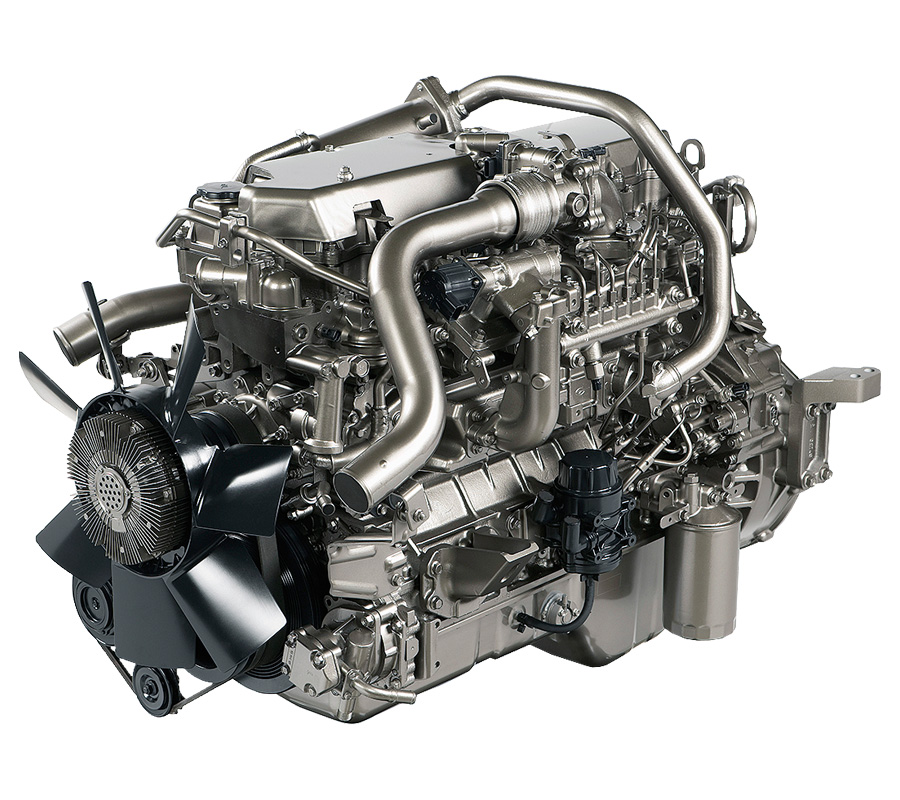
- Bottom-end torque is important for commercial vehicle engines. To this end, ISUZU has ensured that our engines have superior torque from low engine speeds, allowing for easy pull away and low speed driving under load. Drivers of ISUZU TRUCKS will immediately notice how easy our vehicles are to drive, the first time they engage the clutch.
- Peak power is also important for highway cruisers. ISUZU TRUCKS have great acceleration in a highway-speed range.
- Having a wide range of engines for our Saudi customers is important. We have both large displacement mechanical pump engines and smaller displacement common rail turbo engines available to meet customer’s needs.