

HISTORY OF ISUZU

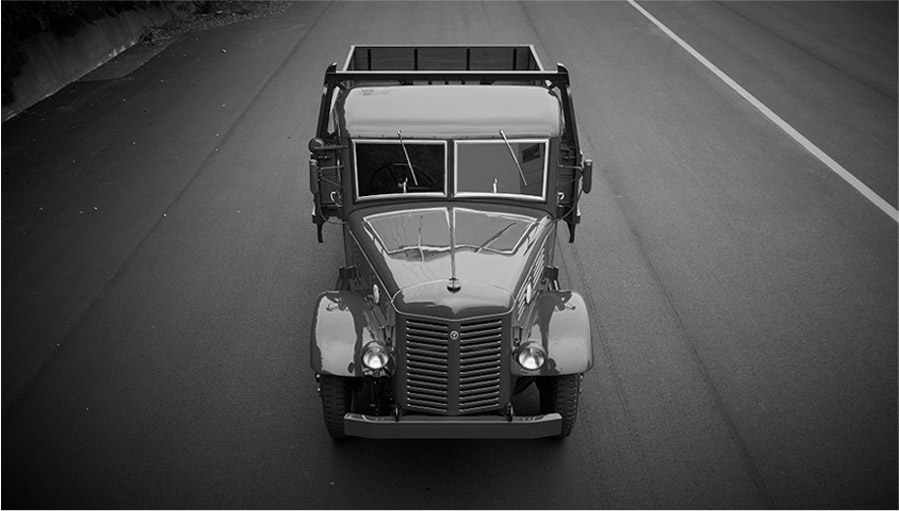
Isuzu began as part of Japan’s early automotive and shipbuilding industry and grew into a global leader in commercial vehicles and diesel engines. Its roots trace to the automotive activities of Ishikawajima Shipbuilding and related firms in the 1910s; over the following century Isuzu focused relentlessly on durable diesel powertrains and robust commercial chassis that serve fleets worldwide.

Key milestones and timeline

  • 1916 — Foundation and early experiments — automotive work at Tokyo Ishikawajima Shipbuilding and allied companies laid the groundwork for a dedicated automotive business that would evolve into Isuzu.
  • 1922 — First domestically produced passenger car — the A9 marked early Japanese automotive manufacturing capability and the start of a continuous vehicle program.
  • 1934–1938 — Truck production and the Isuzu name — trucks built to government standards and the adoption of the “Isuzu” name established the company’s commercial-vehicle identity.
  • 1949 — Launch of the ELF (N-Series) — the ELF light-duty truck became a cornerstone product and a template for reliable, serviceable commercial vehicles.
  • 1960s–1970s — Diesel leadership and global reach — advances in diesel engines and medium-duty trucks expanded Isuzu’s reputation for efficiency and durability.
  • 1971 onward — Strategic partnerships — equity and technical partnerships (notably with General Motors in the 1970s–2000s) supported global manufacturing and distribution.
  • 1994–2006 — Product evolution — introduction of the GIGA heavy-duty range and successive generations of the ELF and FORWARD families modernized Isuzu’s commercial lineup.
  • 2002–2019 — D-MAX pickup and global light-truck success — the D-MAX pickup launched Isuzu into the global pickup market, with successive generations reinforcing its commercial and leisure appeal.
  • 2017–present — Regional organisation and new heavy-duty series — establishment of Isuzu Motors International FZE and recent S&E heavy-duty introductions for the Middle East reflect a focused regional strategy.

Technical and commercial evolution

Isuzu’s history is defined by two complementary strengths: diesel engine mastery and commercial-vehicle engineering. From early aircooled diesel experiments to modern, emissionscompliant powertrains, Isuzu invested in engines designed for longevity and fuel efficiency. Parallel advances in chassis design, cooling systems, and serviceability made Isuzu trucks and pickups preferred choices for demanding fleet operators. These engineering priorities explain Isuzu’s long-standing presence in logistics, construction, municipal services, and energy sectors worldwide.

Global footprint and regional focus

Isuzu’s products now serve customers in more than 150 countries, supported by manufacturing alliances, regional subsidiaries, and dedicated distribution hubs. The creation of regional entities such as Isuzu Motors International FZE underscores a strategy to adapt products and aftersales support to local climates, regulations, and commercial practices—especially important for markets across the Middle East and North Africa. This regionalisation accelerates model adaptation, parts availability, and technical training for dealers and fleet customers.

Legacy and what it means for fleet buyers

Across a century, Isuzu built a reputation on reliability, low total cost of ownership, and serviceability—metrics that matter most to fleet managers. The company’s continuous product refinement, emphasis on diesel efficiency, and regional support networks translate into predictable uptime, manageable maintenance, and strong resale values for commercial operators. For businesses in Oman and the wider Middle East, that legacy means vehicles engineered and supported with the region’s heat, dust, and heavy duty cycles in mind.

More than 100-year Long History

The purpose of transportation is to connect people, and we at ISUZU pride ourselves in doing beyond that.

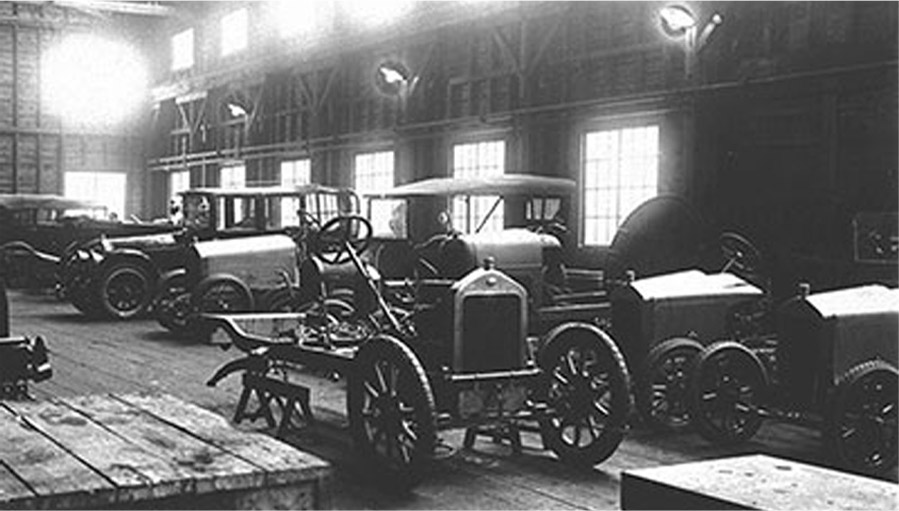
In the past, ships were the best way to transport large amounts of goods and people. In fact, the history of ISUZU dates back to a shipyard established by the Tokugawa shogunate in 1853. Water transportation inevitably shifted towards that of land and the shipyard began, in 1916, to plan the manufacture of automobiles. This was the foundation of ISUZU.

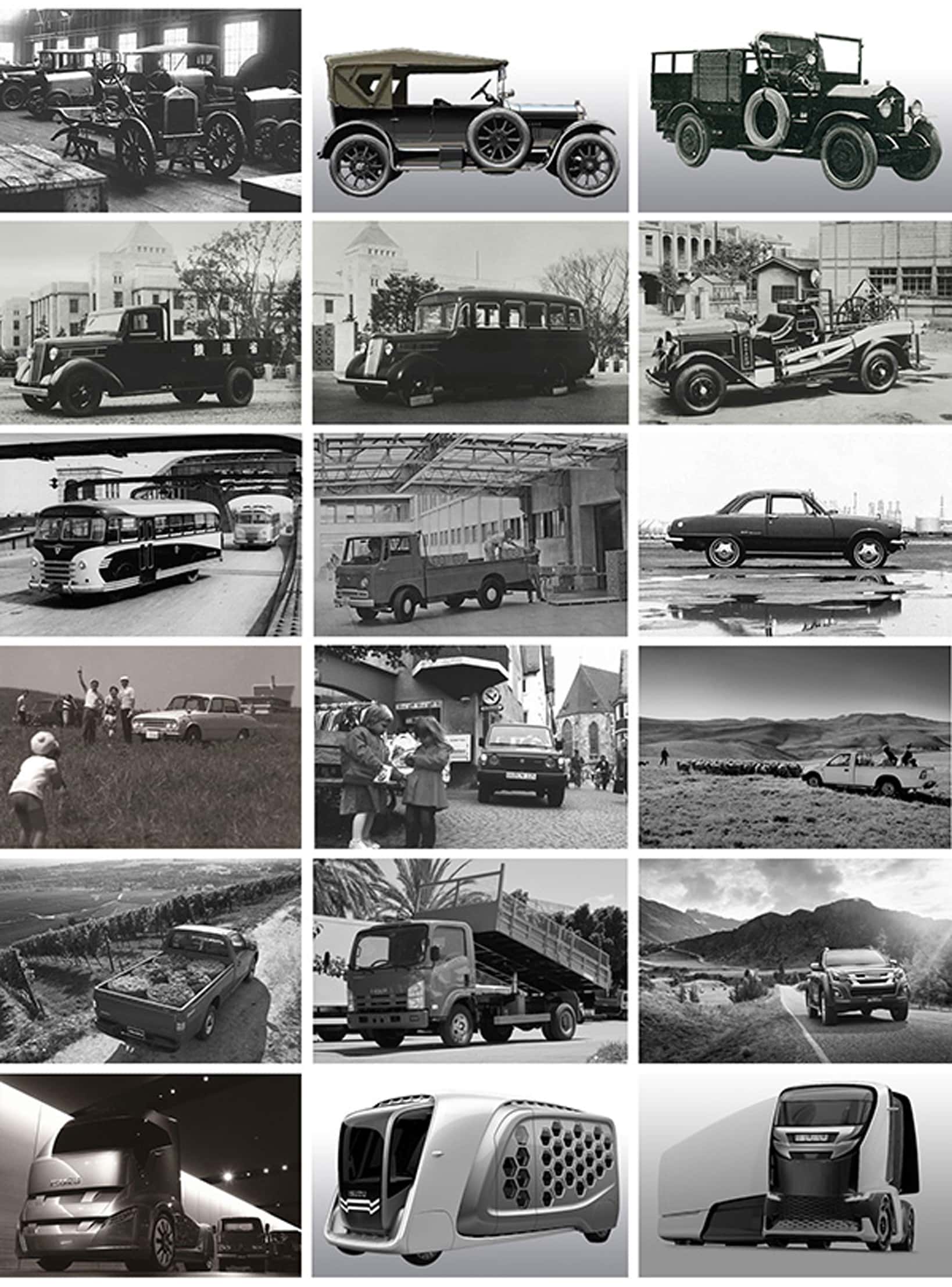
ISUZU’s grand heritage includes the manufacture of Japan’s first passenger car, the A9 in 1922, the first truck, the CP in 1924, and the first air-cooled diesel engines, the DA4 and DA6 in 1936.

“ISUZU” was first used as the name of the TX trucks and the BX bus in 1934. It is also the name of the holy river that flows through ISE Grand Shrine, the oldest and most important shrine in Japan. ISUZU was adopted as the company name in 1949.

ISUZU has supported logistics and mobility for connecting people’s lives from the outset. Our products have widely been used in more than 120 countries around the world including on the vast Middle East.

Heritage

1853
1853 Shipyard by Tokugawa shogunate
1916
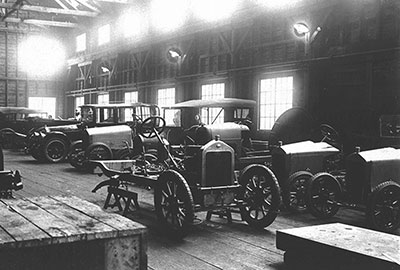
1916 Foundation
1922
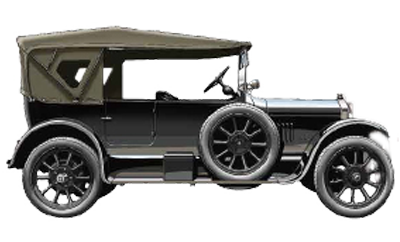
1922 A9, the first isuzu’s passenger car
1924
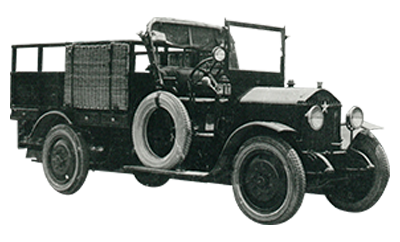
1924 CP, the first isuzu's truck
1934
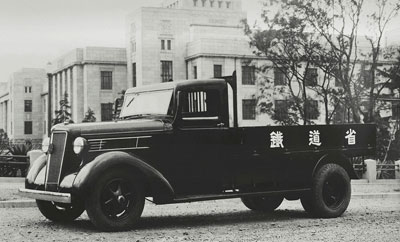
1934 truckISUZU TX40 2t payload
1934
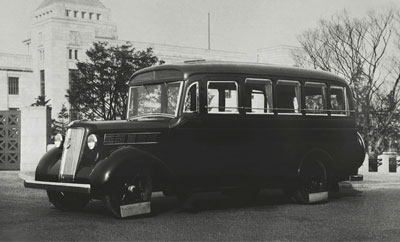
1934 truckISUZU BX40 32 seaters bus
1946
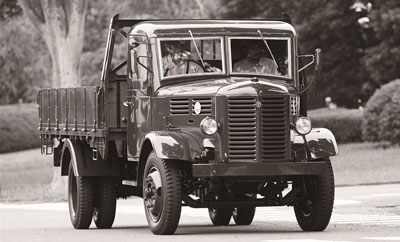
1946 ISUZU TX80 5t payload truck
1949
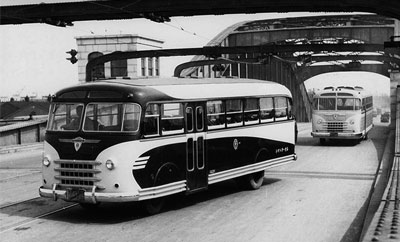
1949 ISUZU BX92 Bus, the first cabover design bus
1959
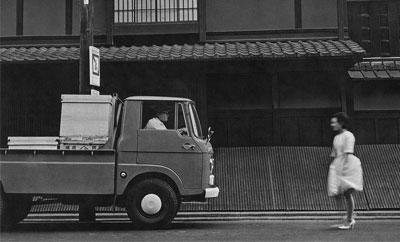
1959 ISUZU ELF 1st Gen.(N-Series)
1963
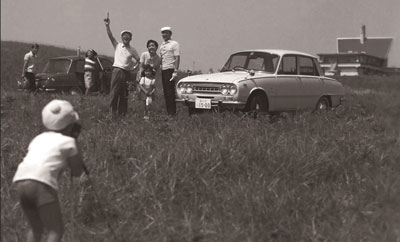
1963 ISUZU BELLETT 1800 diesel
1966
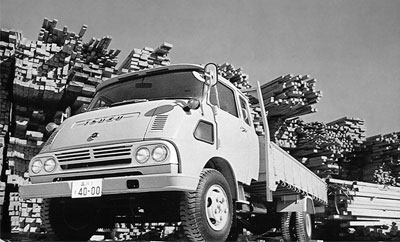
1966 ISUZU TY 4t payload truck
1966
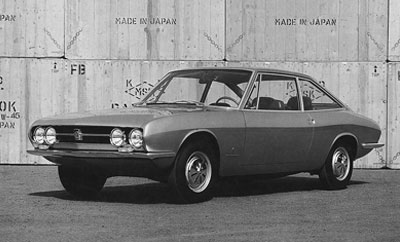
1968 ISUZU 117 Coupe
1970
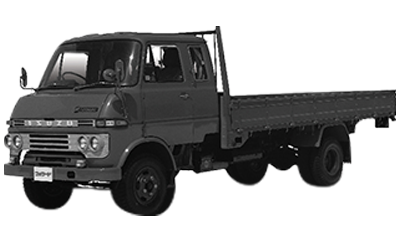
1970 ISUZU TR 4t payload truck, ISUZU FORWARD
1979
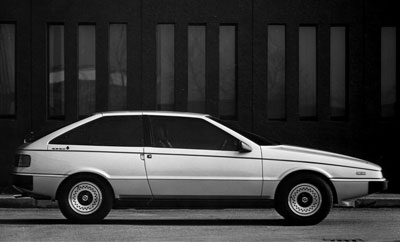
1979 Asso di Fiori, birth to ISUZU PIAZZA
1994
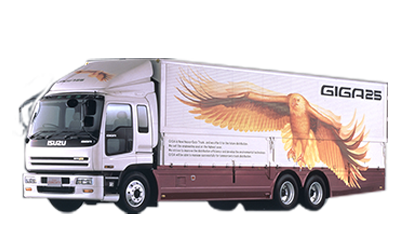
1994 ISUZU GIGA 1st Gen
2002
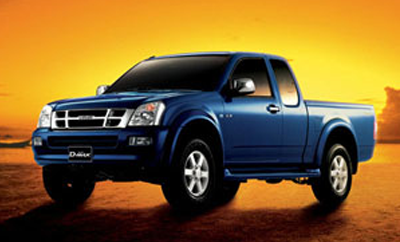
2002 ISUZU D-MAX 1st Gen
2006
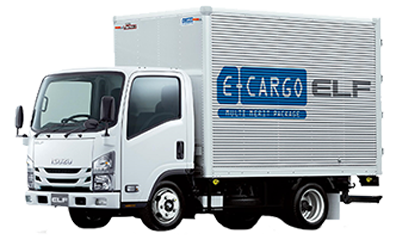
2006 ISUZU ELF 6th Gen.(N-Series)
2007
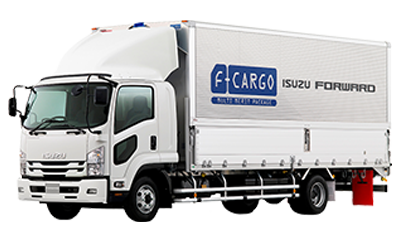
2007 ISUZU FORWARD 6th Gen.(F-Series)
2011
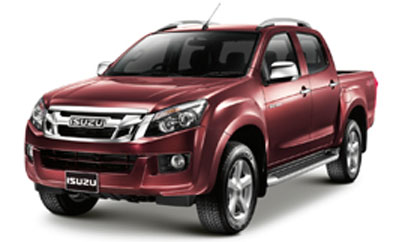
2011 ISUZU D-MAX 2nd Gen
2011
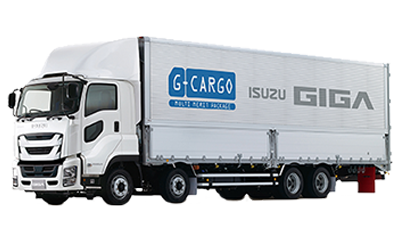
2015 ISUZU GIGA 2nd Gen
2017
2017 ISUZU MOTORS INTERNATIONAL FZE inauguration
2018
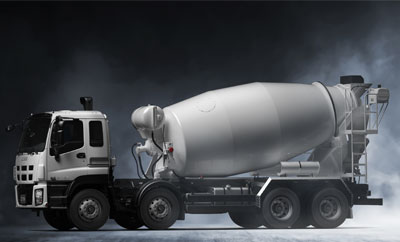
2018 ISUZU VC45 C&E Series
2019
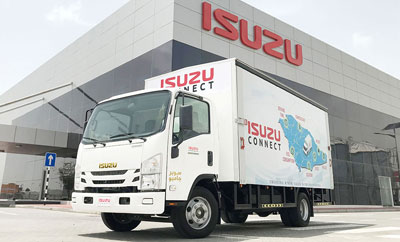
2019 ISUZU CONNECT, Telematics System
2019
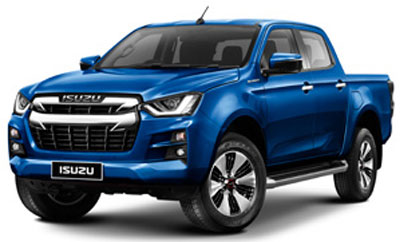
2019 ISUZU D-MAX 3rd Gen